- About us
- Photogallery
- Shooting Experiences
- Shooting courses
- E-shop
- Team building
- Shooting ranges
- Museum
- Contacts
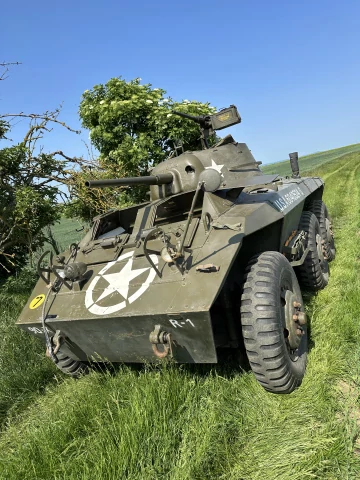
Half-track Personnel Carrier M3A1

.JPG)
.jpg)
.jpg)
Manufacturer: Autocar Motor Company, Pittsburgh, Pennsylvania, USA
Year of Production: March 1943
Length: 242 5/8 in (616 cm)
Width: 87 ½ in (222.2 cm)
Height: 95 1/8 in (241.6 cm)
Ground Clearance: 11 3/16 in (28.4 cm)
Transmission: 4+1
Maximum Speed: 45 mph (72 km/h)
Fuel Capacity: 60 gal (227 l)
-small.webp)


Vilém Stehlík
27. 11. 2023
Byli jsme s přítelkyní a rodinou na střelnici AL a nemůžu zážitek dostatečně vynachválit. Ohromný výběr zbraní s mnoha raritami a profesionální přístup všech zaměstnanců udělal dojem na všechny zúčastněné, i na ty, co zbraně zrovna nemusí. Nedávno dokonce přítelkyně přišla s triky a i přes pár nedorozumění při nákupu a vyzvednutí (z naší strany hlavně), opět, naprosto profesionální přístup a trika skvělá. Příjemný materiál a moc povedený design. Doporučuji všema deseti komukoli, kdo má zájem o to, zkusit si něco nového a (oproti ostatním střelnicím) pořádného.
Ernesto Salaz
12. 4. 2024
Velký výběr zbraní, včetně raritních kousků z druhé světové války. Přátelští a erudovaní instruktoři, kteří se postarají o vaší bezpečnost a odpoví i na všechny vaše dotazy. Byl sem velice spokojen.
Kein Abel
27. 1. 2024
Super zazitek, obsluha velmi prijemna a laskava, profesionalni instruktori. Prijdem zas!
Lukáš Křen
17. 5. 2023
Výborný zážitek! Oceňuji především velký a zajímavě seskládaný výběr zbraní obsahující i méně běžné a dostupné kusy - třeba střelba z kulometu ve mně zanechala silný dojem. Kvituji opravování mých chyb při držení zbraně a střelbě samotné ze strany instruktorů, kteří byli i ochotni zodpovědět mé dotazy co jak funguje, odkud zbraň pochází, jaká je její historie apod. Rád někdy zopakuji. Žádné zásadní nedostatky nebyly, možná jen aspoň trošku počítat s časovou flexibilitou, kdy jsem na své dráze dostřílel pistole, ale na vedlejší dráze s kulomety / puškami ještě dokončoval svou střelbu jiný klient.
Jiří Dvořák
18. 11. 2023
Skvělý zážitek, profi instruktoři, velký výběr zbraní...
Lussi Nayabi
8. 11. 2023
Úžasný zážitek, syn si to pořádně užil. Můžeme vřele doporučit, i jako dárek formou poukazu .
Patrik Schreiber
18. 9. 2023
Professional approach of instructors. A wide selection of weapons. Favorable prices. It will fulfill everything you expect from it. A very pleasant experience for me as a "non-shooter".
Filip Michl
9. 11. 2023
Skvělý firemní teambuilding s úžasným občerstvením. Doporučuji!
Mike K.
24. 4. 2023
- Široký výber zbraní - Příjemní a zkušení instruktoři - Skvěle strávený čas, určitě doporučuji!
Lukáš “Höpner” Loucký
30. 5. 2023
Od instruktorů jsme dostali přednášku o jednotlivých zbraních, které nám přinesli ukázat. Výběr zbraní byl velice pestrý. U některých, jsme si mohli dokonce udělat i rozborku. Také nám odpovídali na všechny naše dotazy. Prostě skvělé páteční odpoledne.
Eva Sedláková
1. 12. 2024
Skvelý zážitok s manželom som si to veľmi užili. Profi personál výborný prístup a tých zbraní na výber...
Pavel Niahodkin
9. 11. 2023
Super zážitek, a u toho nejlepší občerstvení :)
Partners